Why AI Legal Assistants Are the Future of Legal Awareness in India

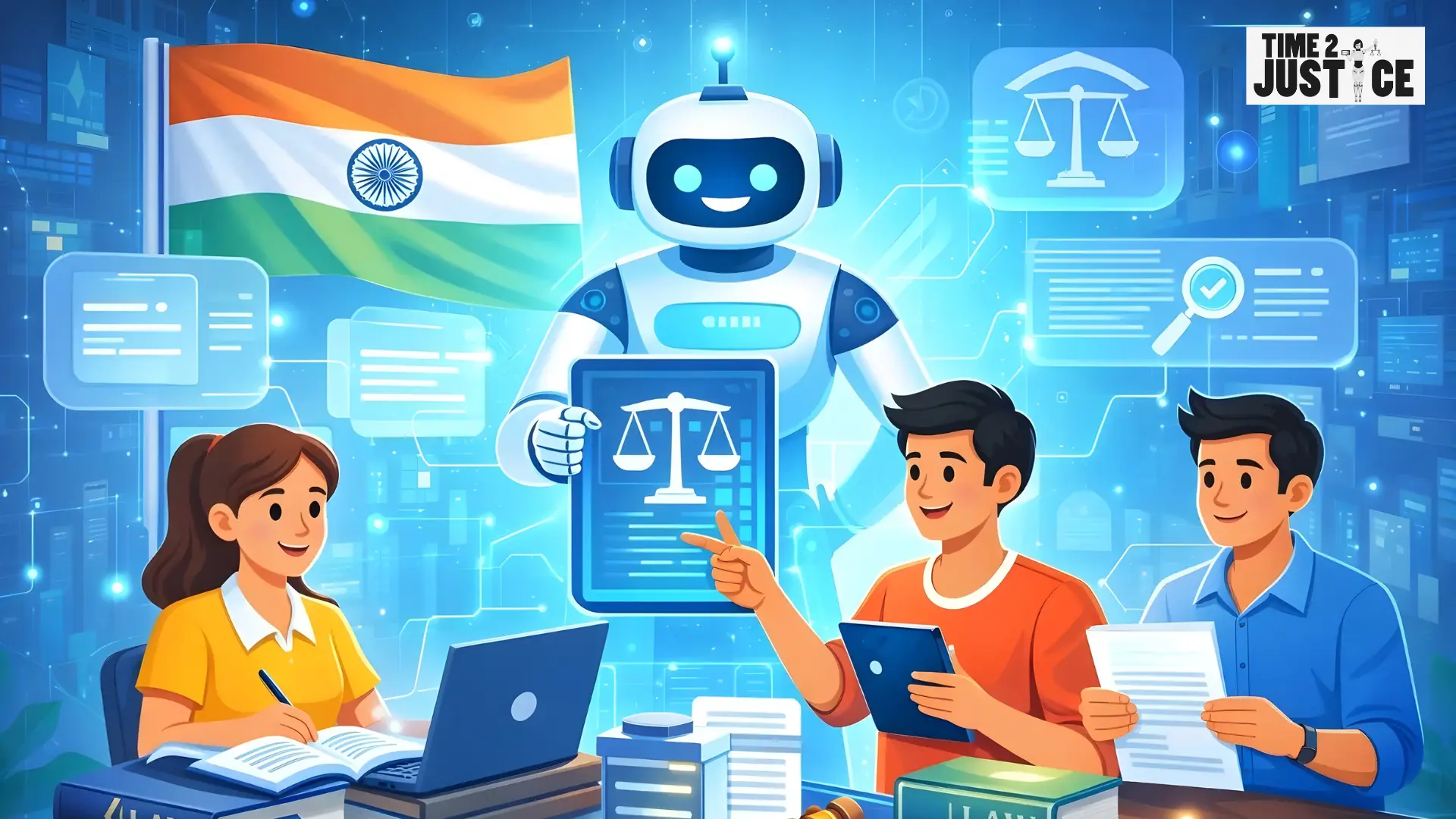
India’s legal system is vast, structured, and constitutionally strong. However, millions of citizens, students, startups, and businesses still struggle to navigate complex laws, interpret legal terminology, and access affordable legal guidance.
AI Legal Assistants are transforming how legal knowledge is accessed and understood in India. By bridging the gap between complex legislation and everyday understanding, these AI-powered legal platforms are reshaping the future of legal awareness in India.
As the country accelerates toward a digital-first economy, technology has already revolutionized sectors such as banking, healthcare, education, and governance. Now, the legal sector is undergoing a similar shift. AI Legal Assistants are making legal information more accessible, structured, and easier to understand for everyone.
In this article, we explore why AI Legal Assistants are emerging as the future of legal awareness in India, how they work, who benefits from them, and why digital legal clarity is becoming essential in a rapidly evolving regulatory environment.
What Is an AI Legal Assistant?
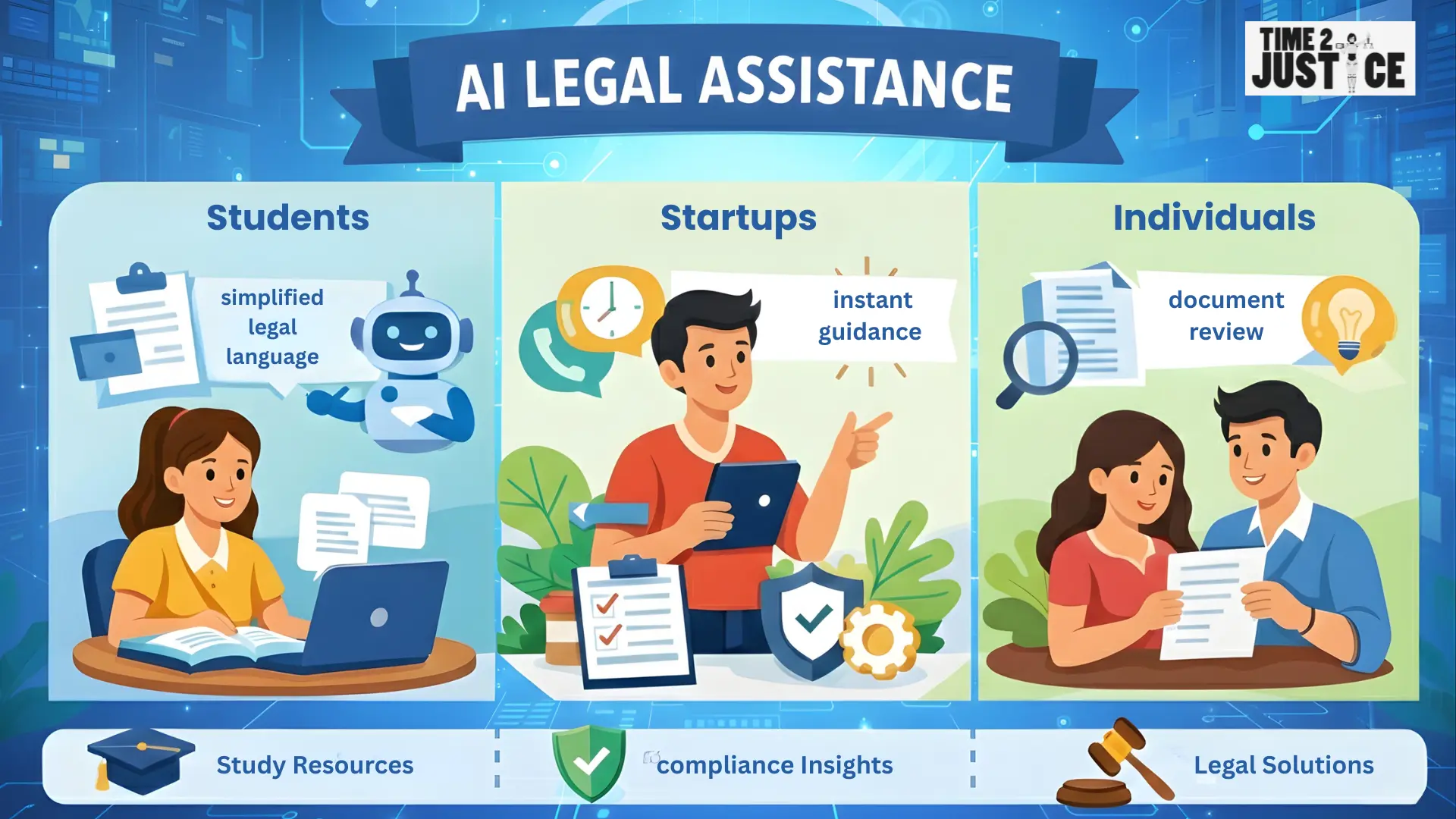
An AI Legal Assistant is an artificial intelligence–powered digital tool that simplifies legal information and helps users understand rights, procedures, and legal concepts in plain, understandable language. Unlike scattered online resources, it delivers structured and context-based legal insights.
AI Legal Assistants can:
- Explain legal terms in simple language
- Summarize complex legal provisions
- Provide structured guidance based on queries
- Assist with document review and understanding
- Highlight potential legal risks early
They do not replace lawyers or formal legal advice. Instead, they strengthen early legal awareness, helping individuals or businesses to have more fully informed and prepared discussions with legal professionals.
The Legal Awareness Gap in India
Despite having one of the world’s most detailed legal frameworks, India faces major challenges in legal awareness, as highlighted by the National Legal Services Authority (NALSA):
-
Complex Legal Terminology – Technical language in laws and contracts is difficult for most citizens to interpret.
-
Limited Early-Stage Guidance – Many people seek legal help only after disputes escalate, because initial advice can seem inaccessible or expensive.
-
Scattered Information Sources – Online searches often lead to outdated or conflicting guidance.
-
Fear of Legal Processes – Court procedures, documentation, and compliance requirements can discourage timely action.
About the Author
Prateek Agrawal
Co-founder, Time2Justice.ai | AI Strategy & Legal-Tech Architect
Prateek Agrawal is a computer engineer with a Master’s degree from Texas and the Co-founder of Time2Justice.ai, an AI-powered legal-tech platform focused on transforming how individuals and businesses access legal intelligence in India. He has also co-founded Ivy Professional School, a top-ranked AI upskilling and consulting platform for enterprises.
He works at the intersection of artificial intelligence, data systems, and legal workflows, building scalable AI solutions for legal research, dispute profiling, background verification, and organizational risk assessment.
Prateek writes about AI in law, digital justice infrastructure, legal data intelligence, and the future of AI-assisted decision-making. His goal is to make complex legal processes more transparent, accessible, and data-driven for citizens, businesses, and institutions.